Stress has become a constant companion for many of us. The key to not just surviving but thriving in such an environment lies in mastering effective stress management strategies. As we venture into 2024, understanding and implementing these strategies is more critical than ever for maintaining our well-being and ensuring a healthier life.
Understanding Stress: A Double-Edged Sword
At its core, stress is a physiological response designed to help us cope with threats or demands, known as the ‘fight or flight’ response. While short-term stress can be beneficial, providing the motivation and energy to tackle challenges, chronic stress has the opposite effect. It can impair our health, productivity, relationships, and quality of life. Recognizing this dual nature of stress is the first step toward effective management.
The Physical and Emotional Impact of Stress
The repercussions of unchecked stress are far-reaching. Physically, it can contribute to a range of health issues, including heart disease, hypertension, diabetes, and weakened immune function. Emotionally, it can lead to anxiety, depression, irritability, and diminished concentration. The key to mitigating these effects lies in recognizing stress symptoms early and addressing them head-on.
Recognizing Stress
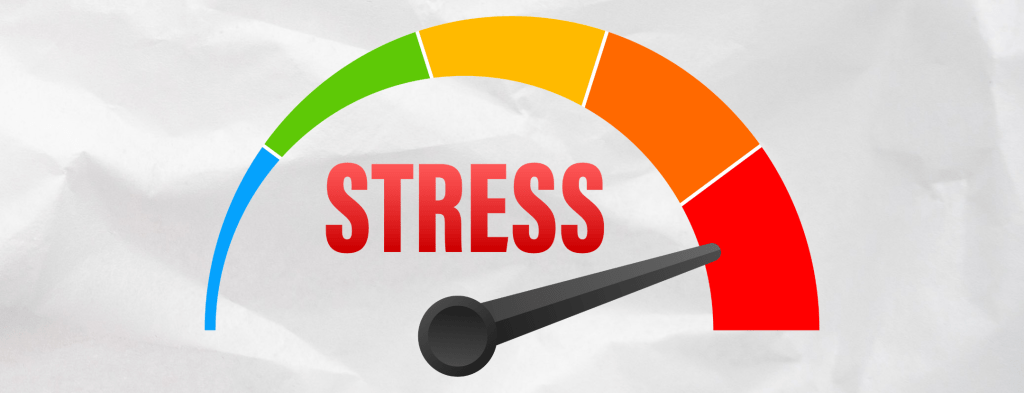
Awareness is the first line of defense against stress. Common signs include difficulty sleeping, changes in appetite, frequent headaches, short temper, and a feeling of being overwhelmed. By staying vigilant to these symptoms, we can take timely action to manage stress effectively.
Immediate Stress-Relief Strategies
When stress levels spike, immediate relief techniques can be invaluable. Deep breathing exercises, mindfulness, and even a brief change of scenery can help calm the nervous system and offer temporary relief. Incorporating these techniques into daily routines can serve as a quick reset, helping to maintain equilibrium in the face of stress.
Lifestyle Changes for Long-term Stress Management
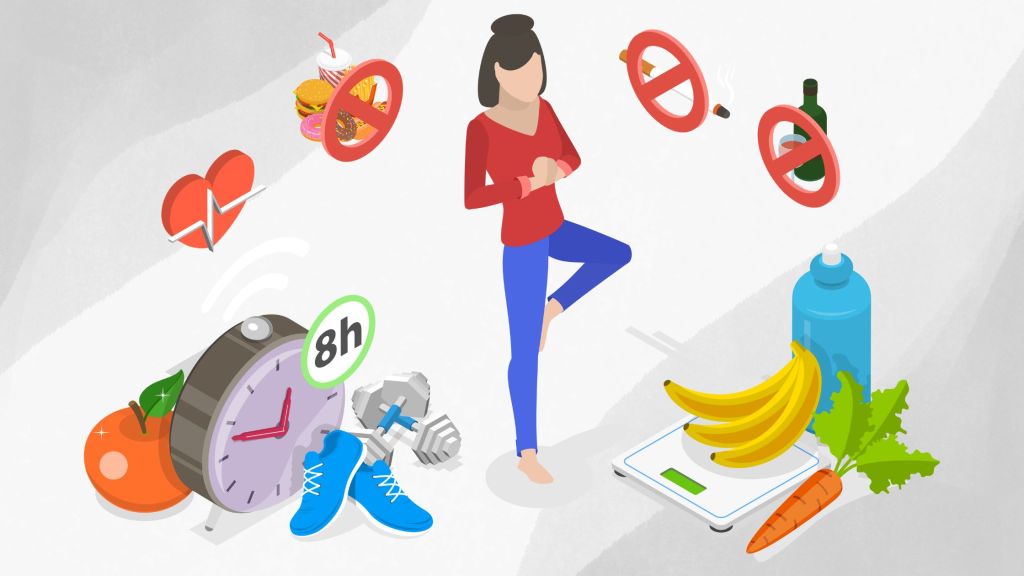
For sustainable stress management, incorporating healthy lifestyle changes is essential. Regular physical activity not only boosts overall health but also enhances mood and resilience against stress. A balanced diet, rich in nutrients, supports body and brain function, equipping us better to handle stress. Prioritizing sleep is another cornerstone of stress management, as adequate rest is crucial for cognitive function, mood regulation, and overall health.
Building a Supportive Network
Humans are social creatures, and a strong support network is invaluable for managing stress. Engaging with friends, family, and colleagues can provide a sense of belonging, reduce feelings of isolation, and offer new perspectives on challenging situations. Don’t hesitate to share your experiences and seek support when needed.
Professional Help and When to Seek It
Sometimes, stress becomes more than we can handle alone. In such cases, professional help from therapists or counselors can be a lifeline. These experts can provide tailored strategies for managing stress, addressing underlying issues, and guiding you towards healthier coping mechanisms.
Developing Resilience
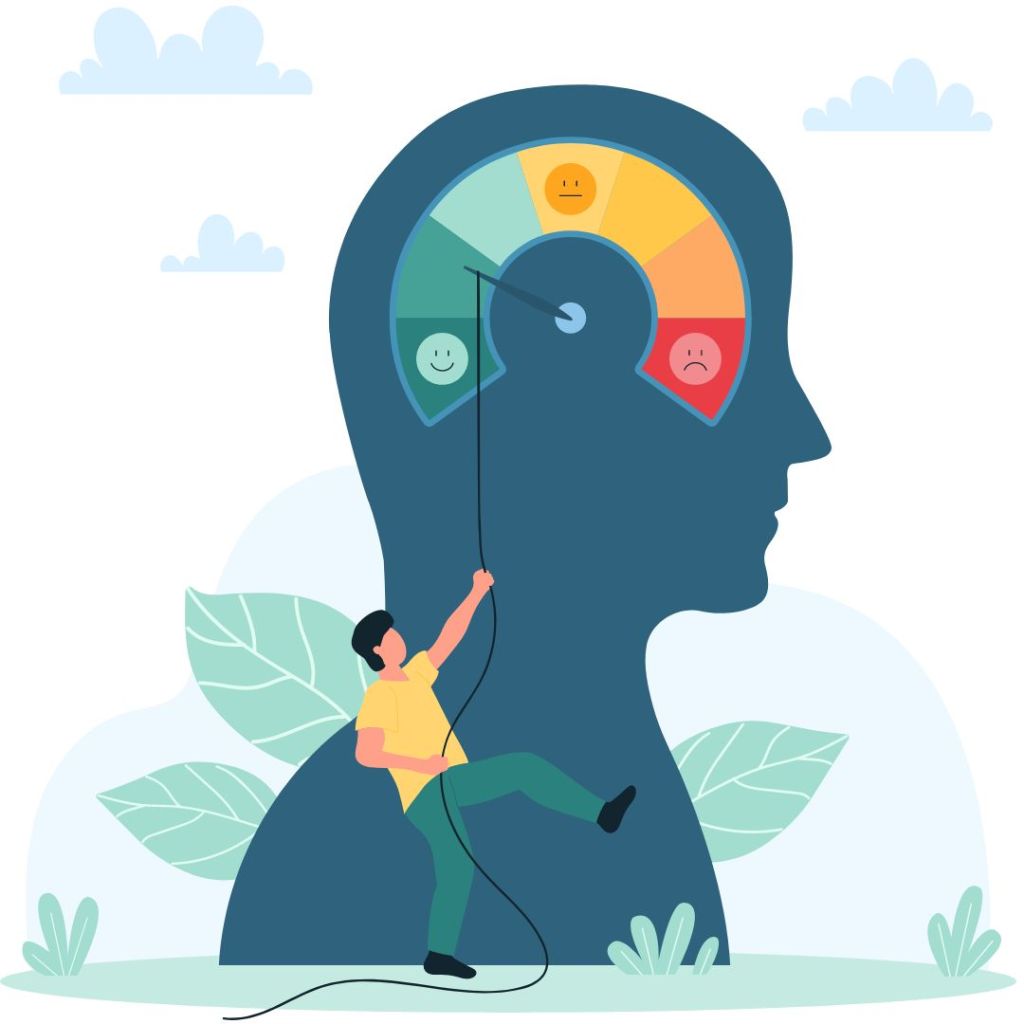
Resilience, the ability to adapt and bounce back from adversity, is a critical skill in stress management. Developing resilience involves adopting a positive mindset, setting realistic goals, and cultivating a strong sense of purpose. It also means learning from past experiences and applying those lessons to future challenges.
Conclusion
Effective stress management is not a one-size-fits-all solution. It’s about finding the right balance of strategies that work for you, whether through immediate relief techniques, lifestyle changes, building a supportive network, seeking professional guidance, or developing resilience. As we move forward, let’s embrace these strategies as tools not just for managing stress, but for enhancing our overall well-being and leading a healthier, more fulfilled life.
As we navigate the complexities of modern life, understanding and implementing these strategies can transform our approach to stress, turning potential obstacles into opportunities for growth and self-discovery. Remember, the journey to a stress-free life is ongoing, and each step, no matter how small, is a move towards a healthier, happier you.
Begin your journey towards managing stress today. Even incorporating a handful of these strategies into your routine can profoundly impact your overall well-being. I invite you to share your journey’s highs and lows, from the obstacles you face to the victories you achieve in managing stress. Let’s create a community that fosters support and encouragement, uniting us in our shared goal of a healthier, more balanced life free from the grips of stress.