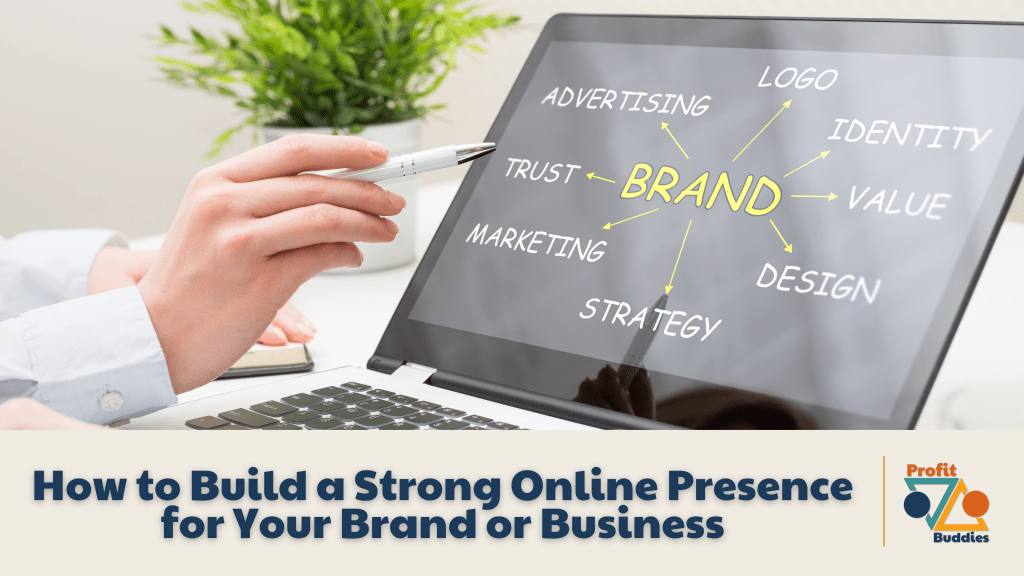
In today’s digital world, having a strong online presence is no longer optional—it’s essential. Whether you’re a startup, a small business, or an established brand, your online identity influences how customers perceive and interact with you. A well-optimized digital presence builds credibility, expands your reach, and increases engagement, helping you stand out in a crowded marketplace.
To help you succeed, here are key strategies for branding, SEO, social media, and content marketing that will enhance your online visibility and authority.
Establishing Your Brand Identity
Before you start building your online presence, it’s important to define your brand identity. This ensures that your audience recognizes and connects with your business across different platforms.
- Defining Your Unique Value Proposition
Your unique value proposition (UVP) sets you apart from competitors. It answers key questions like:
- What makes your business unique?
- What problems do you solve for your audience?
- Why should customers choose you over others?
Your brand message should be clear, consistent, and tailored to your audience’s needs. Whether you offer exceptional customer service, innovative products, or niche expertise, ensure your messaging aligns with your brand’s core values.
- Creating a Professional and Cohesive Visual Identity
Your brand’s visual elements should be instantly recognizable. To build a strong brand identity:
- Design a professional logo that represents your business.
- Choose a consistent color scheme and typography that reflects your brand’s personality.
- Ensure brand elements are aligned across your website, social media, and marketing materials for uniformity.
A cohesive visual identity increases recognition and strengthens trust with your audience.

Optimizing Your Website for Visibility and Engagement
Your website is the digital storefront of your business. A well-optimized site attracts visitors, keeps them engaged, and converts them into customers.
- Ensuring a User-Friendly Experience
Your website should be:
- Mobile-friendly: Over 50% of internet traffic comes from mobile devices, so ensure seamless navigation on all screen sizes.
- Fast-loading: A slow website leads to high bounce rates. Use tools like Google PageSpeed Insights to optimize performance.
- Easy to navigate: A clean, intuitive layout improves user experience and increases conversions.
- Implementing SEO Best Practices
SEO (Search Engine Optimization) helps your website rank higher on search engines like Google. To improve visibility:
- Use relevant keywords in titles, meta descriptions, and blog content.
- Optimize images with alt text and reduce file sizes for faster loading.
- Develop high-quality blog content to attract organic traffic and establish authority in your niche.
Leveraging Social Media to Grow Your Audience
Social media is a powerful tool for brand awareness, audience engagement, and lead generation.
- Choosing the Right Platforms for Your Brand
Not all social media platforms will work for every business. Identify where your audience spends the most time:
- LinkedIn – Best for B2B companies, professional networking, and thought leadership.
- Instagram – Ideal for brands with strong visual content, storytelling, and influencer collaborations.
- Twitter – Great for real-time engagement, brand updates, and customer interaction.
- Facebook – Effective for community building, ads, and direct customer communication.
Each platform requires a customized strategy to maximize engagement.
- Developing a Consistent Content Strategy
Posting regularly is key to keeping your audience engaged. To maintain consistency:
- Use a content calendar to schedule posts in advance.
- Mix up content formats—videos, infographics, stories, and live sessions.
- Interact with your audience by responding to comments and messages.
Consistency builds brand trust and visibility, making it easier to attract and retain followers.
Building Authority Through Valuable Content
Content marketing is at the heart of a strong online presence. Creating high-value content positions your brand as an industry leader and builds trust with your audience.
- Blogging and Thought Leadership
Publishing insightful blog posts helps establish credibility and attract organic traffic. Consider:
- Writing educational articles that address common industry questions.
- Sharing case studies and success stories to showcase your expertise.
- Guest posting on reputable websites to expand your reach.
Blogging isn’t just about selling—it’s about providing value and building long-term relationships.
- Email Marketing and Community Engagement
Email marketing remains one of the most effective ways to nurture leads and build customer loyalty. To maximize impact:
- Personalize emails with targeted content and special offers.
- Use automation tools like Mailchimp or ConvertKit to streamline campaigns.
- Encourage two-way engagement through live Q&A sessions, discussion groups, and exclusive newsletters.
An active online community fosters deeper connections and increases brand loyalty.

Monitoring and Improving Your Digital Presence
Building an online presence isn’t a one-time effort—it requires ongoing tracking and adjustments.
- Tracking Performance Metrics
Regularly monitor your website and social media analytics to measure success. Key metrics to track include:
- Website traffic (Google Analytics) – Understand where your visitors come from and how they engage with your content.
- Social media engagement (likes, shares, comments) – Determine which content resonates most with your audience.
- Conversion rates – Track how many visitors turn into customers.
Data-driven insights help refine strategies for continuous growth.
- Staying Up-to-Date with Digital Trends
Digital marketing is constantly evolving. To stay ahead:
- Adapt to changes in social media algorithms and SEO best practices.
- Experiment with emerging trends like short-form videos, influencer marketing, and interactive content.
- Keep learning by following industry blogs, attending webinars, and networking with other professionals.
Staying updated ensures your brand remains relevant and competitive in the digital space.
Conclusion
Building a strong online presence requires consistency, strategy, and adaptability. By focusing on branding, website optimization, SEO, social media engagement, and valuable content, businesses can enhance visibility, credibility, and customer trust.
Key takeaways:
- Establish a clear and cohesive brand identity for recognition.
- Optimize your website and SEO to improve search rankings.
- Leverage social media and content marketing to engage and grow your audience.
- Regularly track and analyze digital performance to refine strategies.
Success doesn’t happen overnight, but with commitment and the right digital strategy, your brand can thrive online.