Introduction to Workplace Motivation
In the dynamic world of modern work, keeping your motivation high isn’t just advantageous—it’s crucial for both achieving success and finding satisfaction in your job. Why is staying motivated so important, and what are the typical obstacles that might dampen our drive? We will explore these key questions, offering valuable perspectives and practical advice on how to keep your motivation thriving in the workplace.
Understanding Motivation
Psychological Factors Influencing Motivation
At its core, motivation at work is deeply rooted in the psychological push and pull that drives our behaviors and decisions. Factors such as personal values, the pursuit of professional growth, and the need for recognition play significant roles in shaping our motivation levels. Understanding these elements can provide a clear path to nurturing them effectively.
Difference Between Intrinsic and Extrinsic Motivation
The distinction between intrinsic and extrinsic motivation is crucial. Intrinsic motivation comes from within, driven by personal satisfaction and interest in the work itself, whereas extrinsic motivation is fueled by external rewards such as money, status, or praise. Recognizing which type dominates your motivational style can guide how you set personal and professional goals.
Practical Tips to Enhance Motivation
Setting Clear, Achievable Goals
One of the most straightforward ways to boost your motivation is by setting clear, achievable goals. These goals provide a roadmap to success, offering milestones to celebrate along the way, which can significantly enhance your drive and enthusiasm.
Breaking Tasks Into Smaller, Manageable Parts
Large, daunting tasks can overwhelm and demotivate. By breaking these tasks into smaller, more manageable parts, you can create a series of achievable wins, keeping your motivation high throughout the process.
Using Rewards and Positive Reinforcement
Implementing a system of rewards and positive reinforcement for achieving milestones can significantly enhance motivation. Whether it’s a small treat for finishing a task or a larger celebration for meeting a major milestone, rewards can make the journey toward your goals more enjoyable.

Maintaining Focus and Energy
-
Techniques for Minimizing Distractions
In today’s digital age, distractions are more prevalent than ever. Techniques such as setting boundaries with technology, organizing your workspace to minimize clutter, and using productivity tools can help keep you focused and on track.
-
Importance of Regular Breaks and Downtime
It might seem counterintuitive, but taking regular breaks can actually increase productivity. Periods of rest allow your brain to reset, improving your focus and efficiency when you return to work.
-
Effective Workspace Organization Strategies
An organized workspace can significantly enhance your focus and productivity. Keeping your physical and digital workspaces tidy not only helps in finding things quickly but also reduces stress and mental clutter, leading to better motivation.
Building a Supportive Work Environment
-
Role of Positive Workplace Relationships
Positive relationships at work can create an environment of mutual respect and support, which can significantly enhance motivation. Feeling connected to your colleagues can lead to a more enjoyable work experience and increase team productivity.
-
Impact of Management Support and Recognition
Support and recognition from management can affirm your value in the organization, boosting your motivation. Constructive feedback and appropriate acknowledgment of your efforts can propel you to maintain and even improve your performance.
-
Encouraging Team Collaboration and Communication
Effective collaboration and communication within a team can lead to a more dynamic and supportive work environment. Sharing knowledge, skills, and resources enhances collective efficiency and individual motivation, as team members feel valued and part of a greater purpose.

Personal Well-being and Work Motivation
Connection Between Personal Health and Motivation
Your personal health directly affects your professional motivation. Physical well-being supports energy levels and cognitive function, while mental health can influence your perspective and emotional resilience, impacting your motivation at work.
Strategies for Stress Management and Mental Health Care
Managing stress and taking care of your mental health are vital for maintaining motivation. Techniques such as mindfulness, regular physical activity, and ensuring a healthy work-life balance can protect your mental well-being and keep you motivated.
Importance of Work-Life Balance
Maintaining a healthy work-life balance is crucial for long-term motivation. Ensuring that work does not overwhelm your personal life helps to prevent burnout and keeps both your professional and personal life enjoyable and fulfilling.
Overcoming Specific Challenges
Dealing with Burnout and Lack of Interest
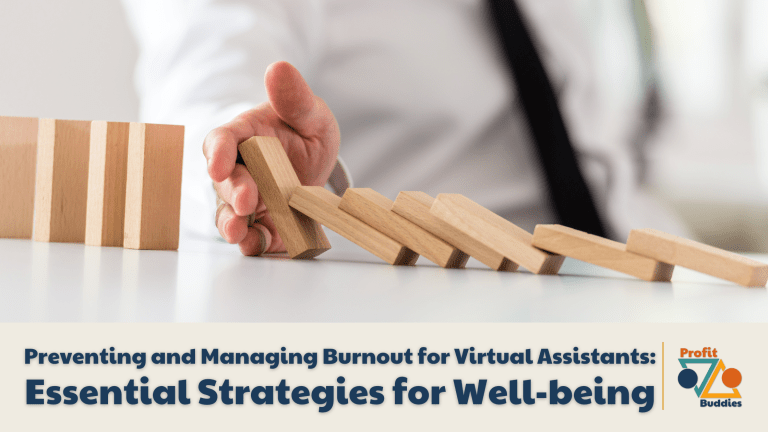
Burnout and a lack of interest in your work can severely impact motivation. Identifying the signs early and addressing them through changes in workload, seeking support, or even changing roles can help restore your motivation.
Adapting to Changes and Setbacks
Changes and setbacks can disrupt your motivation. Developing resilience by setting realistic expectations and maintaining a positive outlook can help you navigate these challenges effectively.
Long-term Strategies for Sustaining Motivation
Establishing long-term strategies such as continuous learning, seeking new challenges, and maintaining an adaptive mindset can ensure sustained motivation and growth in your career.
Conclusion
Staying motivated at work is an ongoing process that requires understanding, strategy, and commitment. By implementing the techniques discussed and fostering an environment conducive to motivation, you can enhance not only your productivity but also your overall job satisfaction. Embrace these strategies, encourage others to do the same, and watch as your work—and your workplace—transforms.